
Conscious Travel: Wander With Purpose
Our Social Impact
We connect travelers with Ecuadorians and their way of life, especially in rural areas. We believe that the Wanderbus can be a positive force in the country with conscious travel around Ecuador.
From the beginning, we chose to showcase both Ecuador’s famous sites and remote communities for a more conscious travel experience.
As a result, we visit the highland lakes and villages of Ozogoche Alto in Chimborazo Province. A protected community wetland, an ancestral Tsachila community, an artisan community, all on the coast. An Amazon Kichwa community that works with chocolate.
This research and development process requires time and effort. We evaluated many options repeatedly, altering routes and schedules to incorporate special destinations into our travel itineraries.
Organizing our group visits and ensuring they will be equitable and engaging for everyone. Visitor and host, is an integral part of this process.
Every day, we’re more convinced of the value of these investments and efforts.
In Wanderbus we feel hugely proud of what we’ve achieved since beginning our operations in July 2018. We are just as excited about finding more and new ways in which the Wanderbus can have a positive impact across the length and breadth of Ecuador.
We look forward to sharing this vision and joining forces with passengers, workers, supply chain partners, our community, and wider society over the coming months and years as we strive to make our impact ever more positive.
Conscious Travel: Hand-in-hand

Rural communities in every region in Ecuador face serious challenges when it comes to accessing government support, health, education, and basic infrastructure. This makes a huge difference to the impact we create, the level of trust we generate, and our long-term commitment to our partners.

Unlike other tour operators who struggle to promise communities regular and significant flows of visitors, the Wanderbus’s routes around the country, with a bus capable of carrying 30 travellers, allow us to bring constant and continuous numbers to these communities. Additionally, this approach benefits the stores and restaurants we frequent on our journeys. Consequently, we create a sustainable model that not only supports local economies but also enhances the overall travel experience for our customers. This makes a huge difference to the impact we can create, the level of trust we can generate, and our long-term commitment to our partners.
We firmly believe our presence in rural communities will not only make our service more appealing and interesting to our travellers, but that it can make a lasting impact that goes way beyond us.
By helping the villagers of Ozogoche Alto, for example, to value their Andean culinary heritage and to train them in food and beverage handling and guiding, the families we work with will tangibly improve their quality of life and go on to expand their tourism businesses beyond the visits made by Wanderbus passengers.
We look forward to sharing our and their progress on these pages in the future to show the conscious travel in Wanderbus Ecuador, and you can check how the Wanderbus experience works, and more important, why wander with us?
Conscious Travel
Communities We Currently Work With
Ozogoche Alto, Chimborazo Province
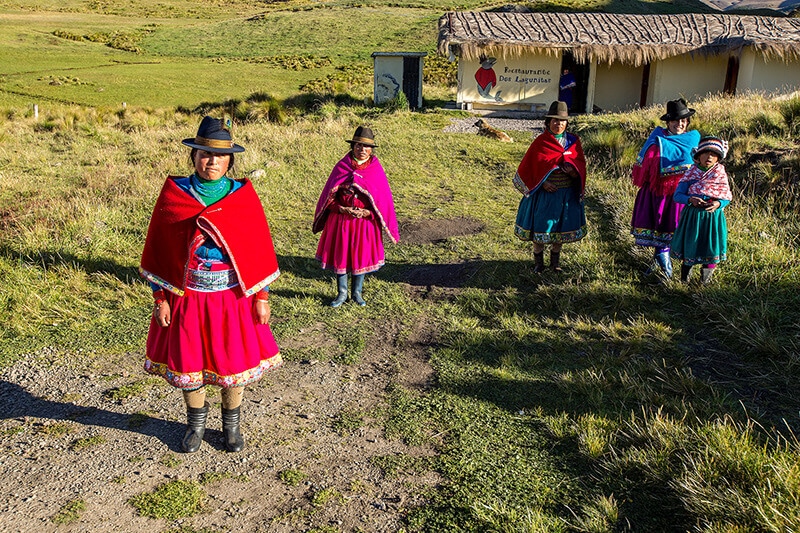
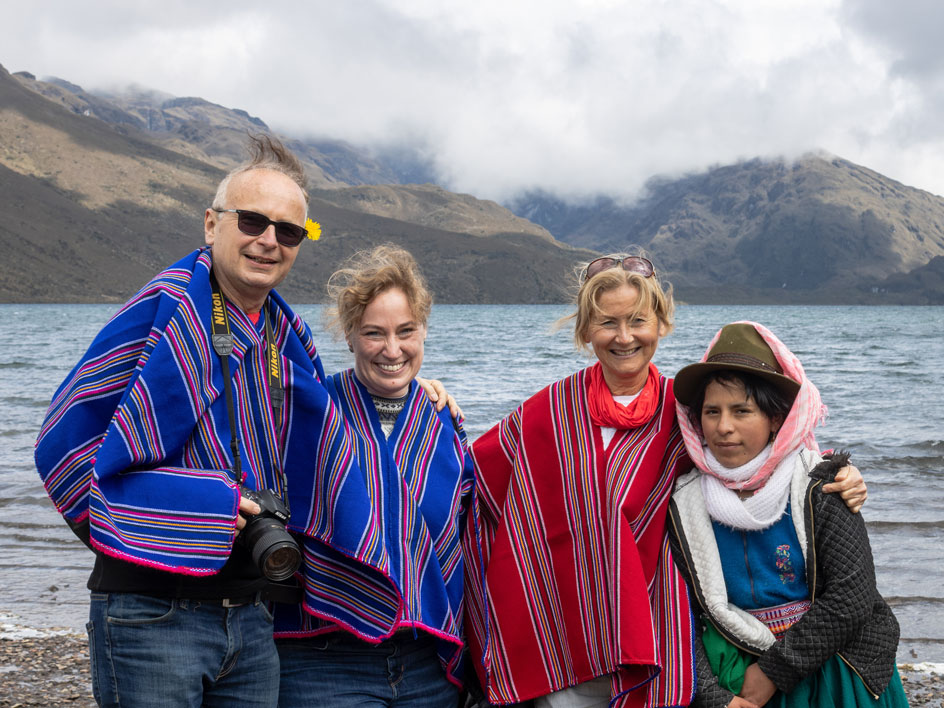
Located in the province of Chimborazo, in the heart of the Ecuadorian Andes, this community of around 60 families makes a living from cattle farming, selling milk and animals. In the 1990s, therefore, authorities included the community within the boundaries of Sangay National Park. This decision, while beneficial for the conservation of the páramo ecosystem, consequently restricts their agricultural and livestock activities. Within this context, we believed it was key to include this community on our Baños to Cuenca route, helping promote the beautiful Andean lake scenery of which they are the guardians to a wider audience, and thereby providing them with a sustainable economic alternative.
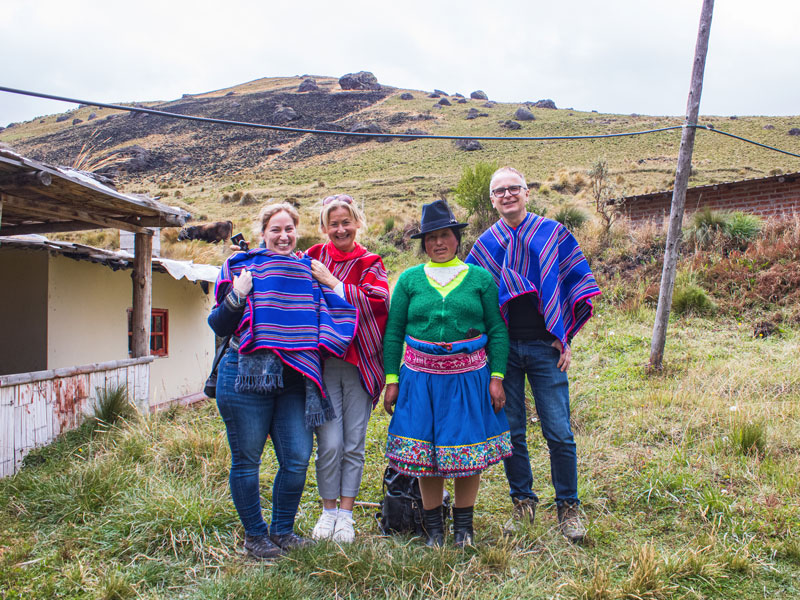
With this context, we believed in conscious travel and it was key to include this community on our routes, helping promote the beautiful Andean lake scenery, of which they are the guardians, to a wider audience, and thereby providing them with a sustainable economic alternative. Since we began working with the community in the summer of 2018, hundreds of travellers have enjoyed their welcome and the incredible Andean landscape of Ozogoche Alto, generating stable incomes for three families.
We have already worked on improving the visitor experience, and in doing so, we have ensured that elements of the community’s culture are more evident. Furthermore, we are also assuring that the dishes served incorporate important, nutritious, Andean ingredients such as potatoes, beans, pulses, and lupin beans.
In Ozogoche Alto, we are currently working on:
- Improving the infrastructure of the dining room for visitors.
- Training the women in food and beverage handling.
- Training them to improve their guiding skills.
Visit Ozogoche on any of our passes that include the Baños to Cuenca route.
La Segua, Manabi Province
Located in the upper part of the estuary of the Chone River and favored by the confluence of the Carrizal and Chone rivers, it exhibits 164 species of birds, 22 of which are migratory. With about 1700 hectares of biodiversity, it is one of the major attractions of Chone and the country. La Segua wetland is home to 164 species of birds, reptiles, and mammals. Furthermore, it is also the direct support for more than 100 families who benefit from this area by fishing. In addition, it serves as a significant tourist attraction for the country. La Segua ranks fifth among the 19 wetlands of Ecuador and holds a spot on the Ramsar Convention list. The International Ramsar Convention recognized it as a wetland of global importance on June 7, 2000, due to its rich biodiversity.
Wetlands are fundamental ecosystems, since they have different qualities such as: avoid flooding in the rainy season, in addition to having an important role in mitigating climate change, as well as the ability to conserve water in the dry season. The Ecuadorian coastal province of Manabi is one of the most celebrated when it comes to cuisine. Cocina Manabita is highly-regarded for its varied ingredients and delicious flavours (which include green plantains, ripe plantains, fish, crabs, manioc, peanuts, lemon and coconuts) that Manabas prepare and combine in mouth-watering ways. In order to help travellers to experience these delights and local life first-hand, the Wanderbus visits La Segua, where the people share their secrets for preparing a delicious tonga, a traditional dish of chicken, peanut sauce, rice, and plantain, for lunch.
Visit La Segua on our “Wander Pass” Loop around Ecuador route.
La Segua, Manabí Province
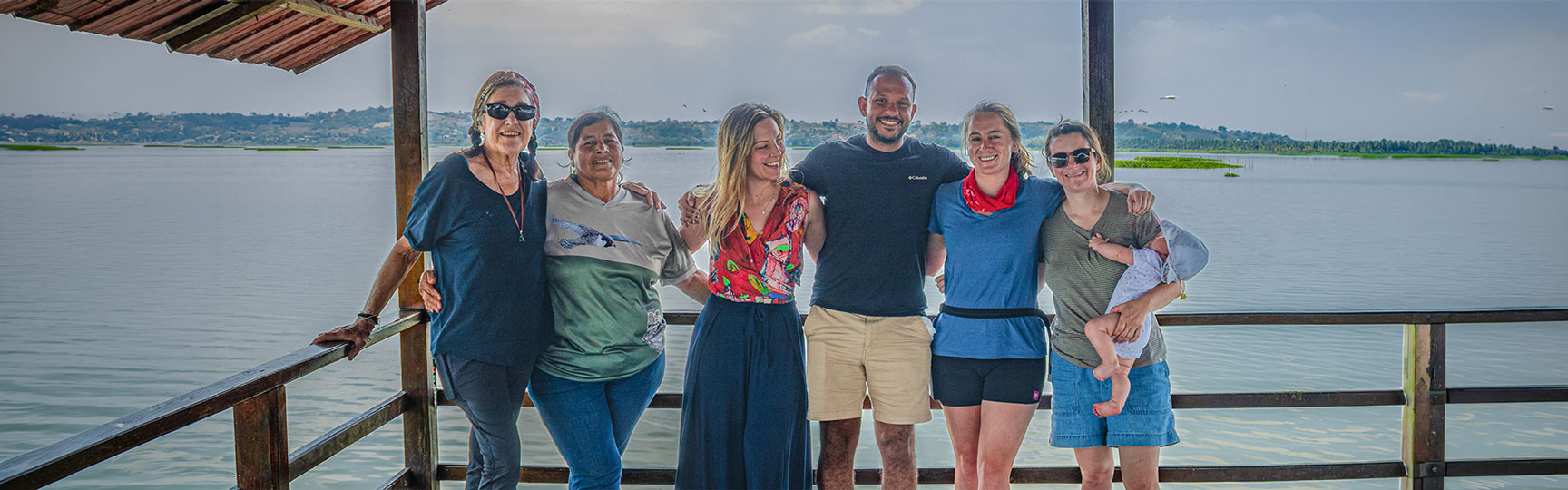
Located in the upper part of the estuary of the Chone River and favored by the confluence of the Carrizal and Chone rivers, it exhibits 164 species of birds, 22 of which are migratory. With about 1700 hectares of biodiversity, it is one of the major attractions of Chone and the country. The Segua wetland is home to 164 species of birds, reptiles and mammals; it is also the direct support for more than 100 families that benefit from this area by fishing and is a tourist attraction for the country. La Segua ranks fifth among the 19 wetlands of Ecuador and holds a spot on the Ramsar Convention list. The International Ramsar Convention recognized it as a wetland of global importance on June 7, 2000, due to its rich biodiversity.
Wetlands are fundamental ecosystems, since they have different qualities such as: avoid flooding in the rainy season, in addition to having an important role in mitigating climate change, as well as the ability to conserve water in the dry season. The Ecuadorian coastal province of Manabi is one of the most celebrated when it comes to cuisine. Cocina Manabita is highly-regarded for its varied ingredients and delicious flavours (which include green plantains, ripe plantains, fish, crabs, manioc, peanuts, lemon and coconuts) that Manabas prepare and combine in mouth-watering ways. In order to help travellers to experience these delights and local life first-hand, the Wanderbus visits La Segua, where the people share their secrets for preparing a delicious tonga, a traditional dish of chicken, peanut sauce, rice, and plantain, for lunch.
El Chorrillo, Manabi Province
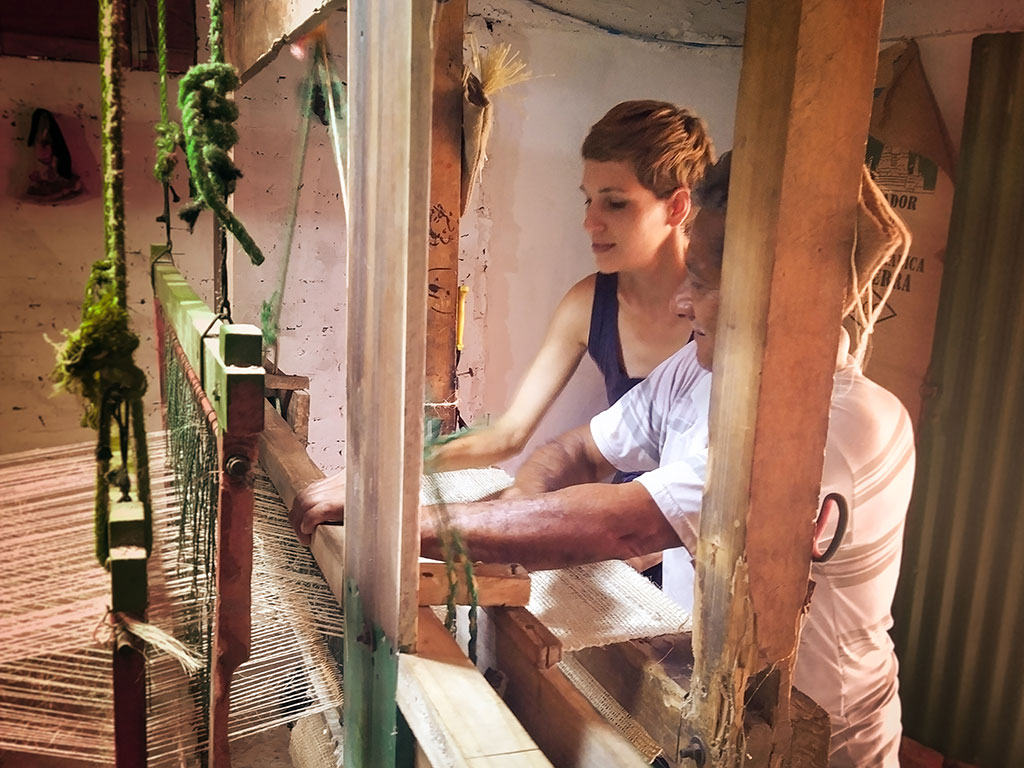
The commune of El Chorrillo is a site located in Montecristi, known for having been dedicated to the development of the art of cabuya since the beginning of its population. With this material (cabuya), hats, bags, jackets, capes, etc., are made. With Wanderbus Ecuador, you will get to know a family workshop that for 20 years has been dedicated to the production of handicrafts using cabuya. The origin of the name of the town (Chorrillo) is due to the fact that in its beginnings, from the hills where this town is located, many streams of water sprouted, which made several rivers with very clear and pure water. To visit this interesting place and be part of this experience, board our “Wander Pass” Loop around Ecuador route.
Santa Rita, Napo Province
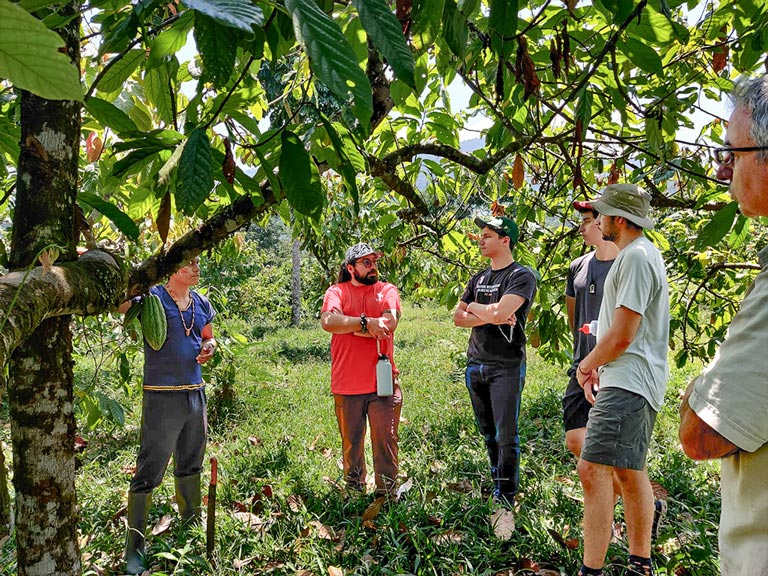
Among the many Kichwa communities in the Amazon region, one stands out: Santa Rita. Located in the Napo province within the influence zone of the Colonso-Chalupas Biological Reserve, this community consists of 180 families and 900 residents. They engage in tourism and produce organic cocoa, cultivating it alongside other products in their chacras (farms). The community supplies cocoa beans to Pakari, one of the most renowned chocolate brands in Ecuador and globally.
Visiting Santa Rita offers a genuine experience of Kichwa culture and gastronomy, providing an opportunity to see firsthand how this community thrives through cocoa production and tourism.
El Chorrillo, Manabi Province
The commune of El Chorrillo is a site located in Montecristi, known for having been dedicated to the development of the art of cabuya since the beginning of its population. With this material (cabuya), hats, bags, jackets, capes, etc., are made. With Wanderbus Ecuador, you will get to know a family workshop that for 20 years has been dedicated to the production of handicrafts using cabuya. The origin of the name of the town (Chorrillo) is due to the fact that in its beginnings, from the hills where this town is located, many streams of water sprouted, which made several rivers with very clear and pure water. To visit this interesting place and be part of this experience, board our “Wander Pass” Loop around Ecuador route.
Santa Rita, Napo Province
Among the many Kichwa communities in the Amazon region, one stands out: Santa Rita. Located in the Napo province within the influence zone of the Colonso-Chalupas Biological Reserve, this community consists of 180 families and 900 residents. They engage in tourism and produce organic cocoa, cultivating it alongside other products in their chacras (farms). The community supplies cocoa beans to Pakari, one of the most renowned chocolate brands in Ecuador and globally.
Visiting Santa Rita offers a genuine experience of Kichwa culture and gastronomy, providing an opportunity to see firsthand how this community thrives through cocoa production and tourism.
Tsachila Community, Santo Domingo de los Tsachilas
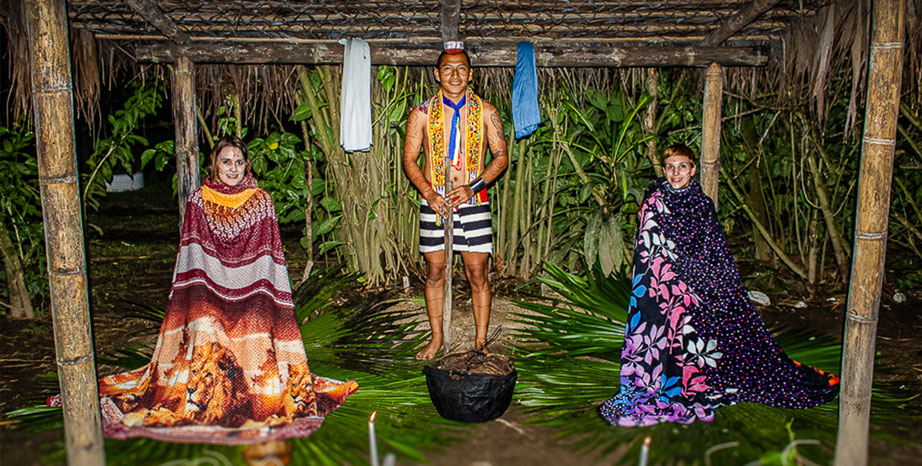
The Tsachila Community, located in Santo Domingo de los Tsachilas in the coastal region of Ecuador, consists of around 3,000 members who possess an impressive knowledge of ancestral medicine. These traditions are passed down through generations, and their unique lifestyle is based on respect for nature and strong social values. Through tourism, they are sharing their extraordinary experiences with the world, improving their livelihood, and raising awareness among visitors. The Wander Pass includes a stop in this community, where they are eager to showcase their amazing knowledge.
Join our “Wander Pass” Loop around Ecuador route, and visit this amazing community. Travel on board Wanderbus Ecuador is a conscious travel choice, know more about us here!